With its proximity to the cultural hub of New York City and its quieter suburban and rural landscapes, Connecticut was fertile ground for artists and writers in the period of Modernist movements between 1913 and 1979. Many of these cultural figures are well known through biographical and critical studies. Creative Places seeks to show how place played a significant role in creative work, and how in turn the artists and writers influenced communities in Connecticut.

233 River Road, Groton
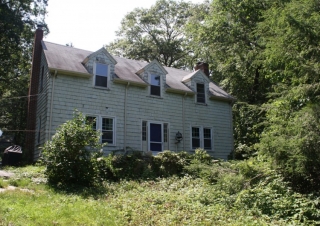
- Peace Sanctuary Trust
- Mary Jobe Akeley
-
Mary Jobe purchased the property in 1914 as her home. She established Camp Mystic for girls, a place where young women would "develop their bodies and minds." The camp operated for 14 years, until 1930. Following the death of her husband Carl Akeley, Mary Jobe Akeley spent part of each year at her "Great Hill" home in Mystic (Groton), and later retired there.
- Description of Significance/Historical Narrative
- The site has multiple periods of significance including its use for peace rallies by the Universal Peace Union in the late 19th century, its time as Camp Mystic, operated by Mary L. Jobe from 1914 through the 1920s, subsequently as Mary L. Jobe Akeley’s country home during the years she was writing her books on African wildlife and conservation, and since 1968 as a nature preserve established by Akeley’s will at her death. Listed on the State Register as part of the Creative Places project.
- Date of Construction
- c.1920
- Historic Designation(s)