With its proximity to the cultural hub of New York City and its quieter suburban and rural landscapes, Connecticut was fertile ground for artists and writers in the period of Modernist movements between 1913 and 1979. Many of these cultural figures are well known through biographical and critical studies. Creative Places seeks to show how place played a significant role in creative work, and how in turn the artists and writers influenced communities in Connecticut.

72 Topstone Road, Redding
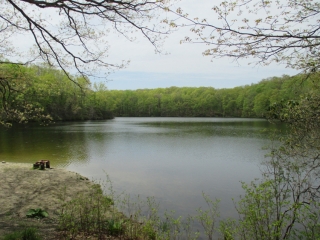
- Steichen Estate - Umpawaug Farm
- Topstone Park
- Edward Steichen
-
Edward Steichen purchased a 400-acre abandoned farm in 1929, and named it Umpawaug Farm. Only a few barns remained, and after living in a prefab house, in the 1940s he designed and built a modernist house. The house survives in private ownership.
- Description of Significance/Historical Narrative
- Steichen bought some 400 acres here in 1929 and named it Umpawaug Farm. He sold nearly a third to the Town of Redding in the 1970s, to preserve it as a public recreation area, now known as Topstone Park. Steichen had drawn inspiration from the natural surroundings, and molded them creating two ponds in the early 1930s.
- Date of Construction
- n/a
- Historic Designation(s)